Brick & Block Manufacturing Accessories
Supporting Reliable Production, Consistent Quality and Scalable Output Across Africa
At PJR Engineering, we know that a high-performing brick or concrete block plant is not defined by the main machine alone. Long-term production stability, product consistency and return on investment are achieved through correctly specified accessories that support every stage of the manufacturing process.
This accessories range is aimed at brick and block manufacturers, contractors, developers and industrial producers operating in South Africa and across Africa, who require dependable production support rather than catalogue-driven equipment sales.
Why Accessories Matter in a Concrete Block Plant
Inconsistent batching, worn moulds or poorly matched auxiliary equipment typically result in:
-
Variable block strength and surface finish
-
High reject rates and material wastage
-
Production bottlenecks and unplanned downtime
-
Increased labour dependence and rising operating costs
Well-specified accessories protect your capital investment, stabilise daily output and ensure that your block machine operates within its intended performance envelope.
PJR Engineering approaches accessories as part of a complete production system, not standalone add-ons.
Concrete Batching Equipment
Concrete batching equipment forms the foundation of consistent block and brick quality. Accurate proportioning of cement, aggregates and water is essential for achieving predictable compressive strength and dimensional stability.
Where it fits in the line
Batching equipment sits at the front of the production process, feeding measured material volumes into mixers and downstream block machines.
Problems it solves
- Inconsistent block strength caused by manual batching
-
Excess cement usage due to poor measurement control
-
Labour inefficiencies and slow cycle times
Key selection considerations
-
Required production volume per shift
-
Aggregate size and moisture variability
-
Level of automation required
-
Ease of maintenance and calibration
Best suited for
-
Start-up block plants transitioning from manual mixing
-
Established manufacturers seeking tighter quality control
PJR Engineering assists clients with batching equipment selection that aligns with both current output targets and future expansion plans.
Batching Station
A batching station provides a structured and repeatable approach to material handling, storage and weighing. It centralises batching control and improves overall plant workflow.
Where it fits in the line
The batching station acts as the operational hub between raw material storage and concrete mixing.
Problems it solves
Disorganised material flow and plant congestion
-
Inconsistent batching accuracy between shifts
-
Reduced production efficiency in high-output plants
Key selection considerations
Aggregate and cement storage capacity
-
Integration with conveyors and mixers
-
Automation level and operator control
Best suited for
-
Medium to high-output brick and block plants
-
Operations supplying multiple product formats

Concrete Batching Equipment (Systems & Mixers)
The QT6-15 Block Machine is designed as a fixed, entry-level automatic block production solution for businesses moving beyond manual or semi-manual manufacturing. It offers a stable foundation for commercial block production while remaining practical and cost-effective for African operating environments.
Unlike the mobile configuration, this model is typically installed as a semi-permanent or permanent plant, making it suitable for operations that have secured a site and are planning consistent production.
Best suited for:
- New block yards establishing commercial-scale production
- Contractors producing blocks on-site for ongoing construction projects
- Developers stabilising block supply for housing or infrastructure programmes
- Businesses transitioning from manual production to automation
Key capabilities:
- Automatic hydraulic forming and vibration compaction, delivering consistent block density and repeatable quality
- Designed for continuous daily operation, supporting reliable output without excessive mechanical complexity
- Supports multiple product types, including hollow blocks, solid blocks, pavers and kerbs through interchangeable moulds
- Fixed plant configuration, providing improved stability and alignment compared to mobile systems
- Integrates into complete production lines, allowing connection to mixers, conveyors, stackers and curing systems as operations expand
Operational Context
The QT6-15 Block Machine is commonly selected as a first permanent plant. It allows manufacturers to establish predictable production, train operators on automated processes, and refine mix designs before scaling into higher-capacity systems.
Many operators use this model as a platform for growth, expanding output by upgrading supporting equipment rather than replacing the core machine prematurely.
PJR Engineering support includes:
- Plant layout guidance aligned to fixed site conditions
- Configuration advice based on local aggregates and power availability
- Operator orientation focused on consistency and uptime
- Spares planning to support uninterrupted production
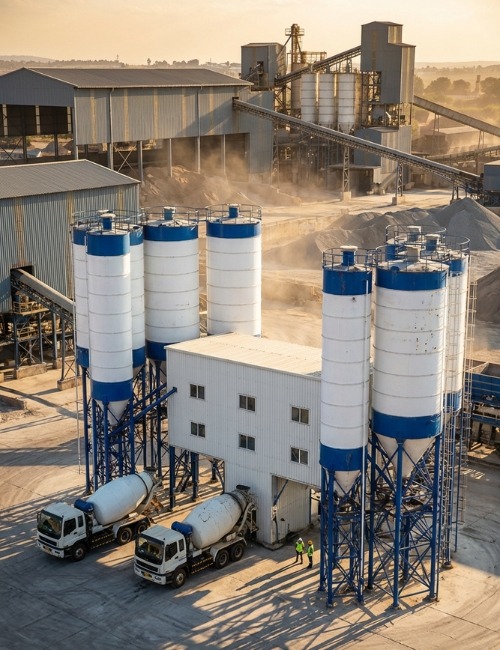
Crushing Sand Washing Equipment
Aggregate quality directly affects block strength, durability and appearance. Crushing and sand washing equipment allows manufacturers to process raw materials into clean, graded aggregates suitable for concrete production.
Where it fits in the line
Upstream of batching, preparing raw materials before proportioning.
Problems it solves
- Excess fines and contaminants in sand
- Inconsistent aggregate grading
- Dependence on unreliable third-party suppliers
Key selection considerations
- Local raw material characteristics
- Required aggregate grading
- Water usage and recovery
Best suited for
-
Producers operating in regions with variable or inconsistent sand quality
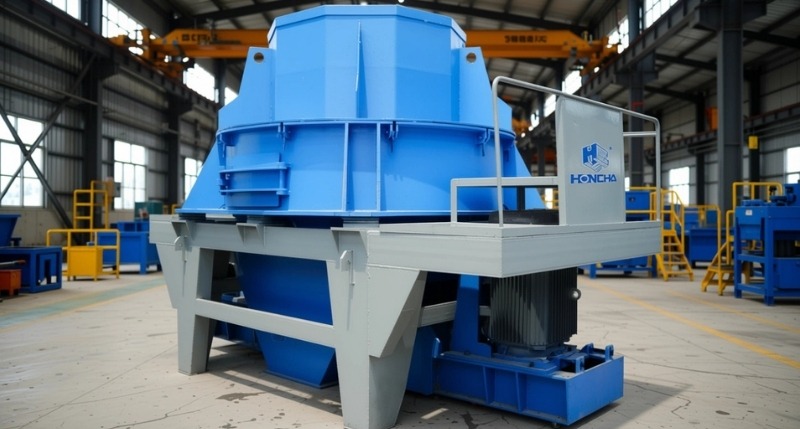
Block Splitter
lock splitters allow manufacturers to produce textured or architectural finishes by mechanically splitting cured concrete blocks.
Where it fits in the line
After curing and before final packing or dispatch.
Problems it solves
-
Labour-intensive manual splitting
-
Inconsistent aesthetic finishes
-
Limited product differentiation
Key selection considerations
-
Block size and format compatibility
-
Splitting accuracy and repeatability
-
Operator safety and throughput
Best suited for
-
Producers supplying architectural, retaining or decorative blocks

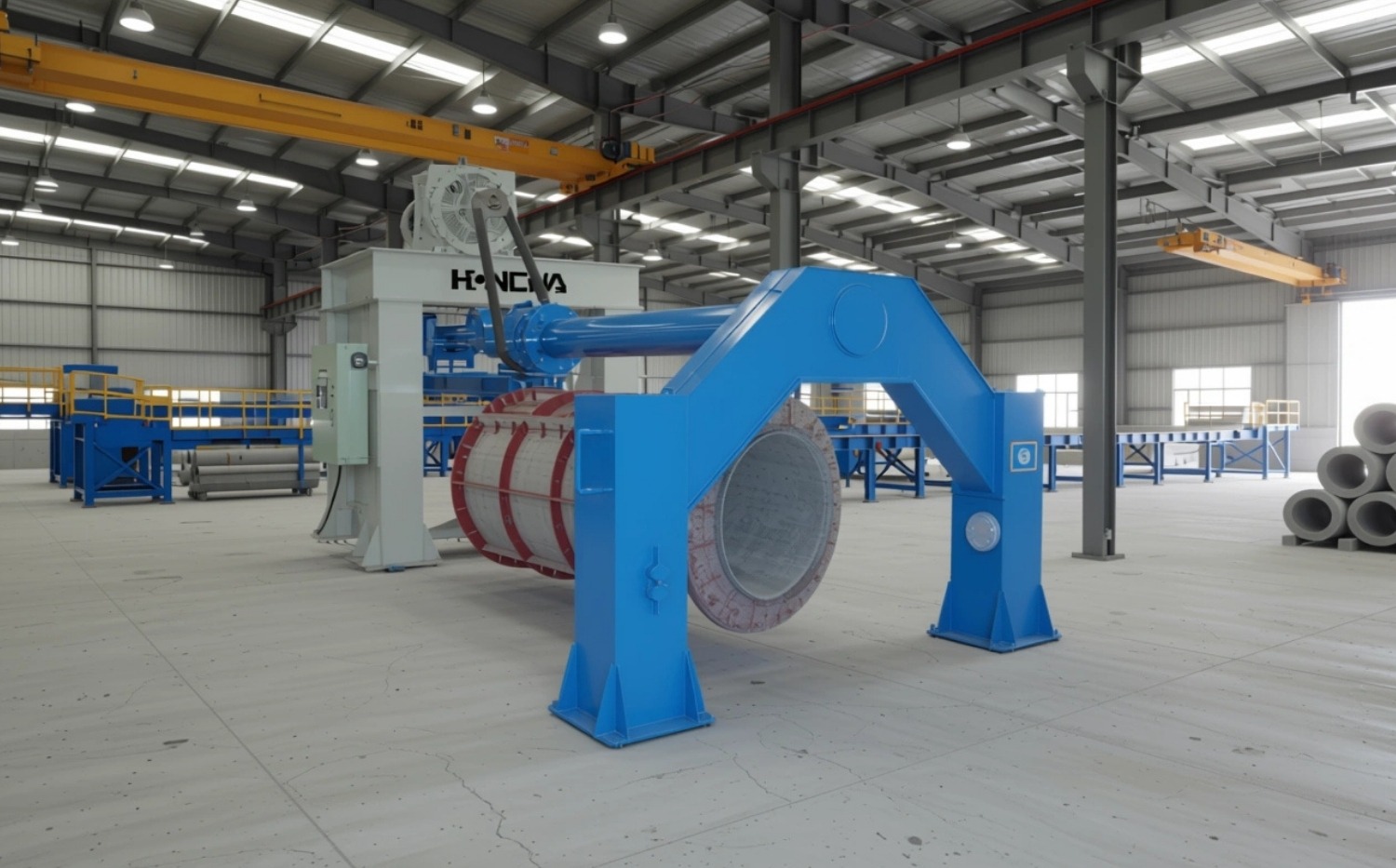
Pipe Making Machine
Pipe making machines enable the production of concrete pipes for drainage, infrastructure and civil construction applications.
Where it fits in the operation
Operates as a standalone unit or alongside block production lines.
Problems it solves
-
High cost of outsourced pipe supply
-
Inconsistent pipe quality
-
Project delays due to limited availability
Key selection considerations
-
Pipe diameter range
-
Compaction method
-
Curing and handling requirements
Best suited for
-
Contractors and manufacturers supplying municipal or infrastructure projects
Residential Factories
Residential factory configurations are compact, modular production setups designed for sites with limited space or decentralised production needs.
Where it fits
Ideal for property-linked production or regional supply points.
Problems it solves
-
High transport costs for finished blocks
-
Space constraints on development sites
-
Entry-level production barriers
Key selection considerations
-
Available footprint
-
Power and water access
-
Scalability for future growth
Best suited for
-
Property developers and small manufacturers producing on-site
Steel Structure
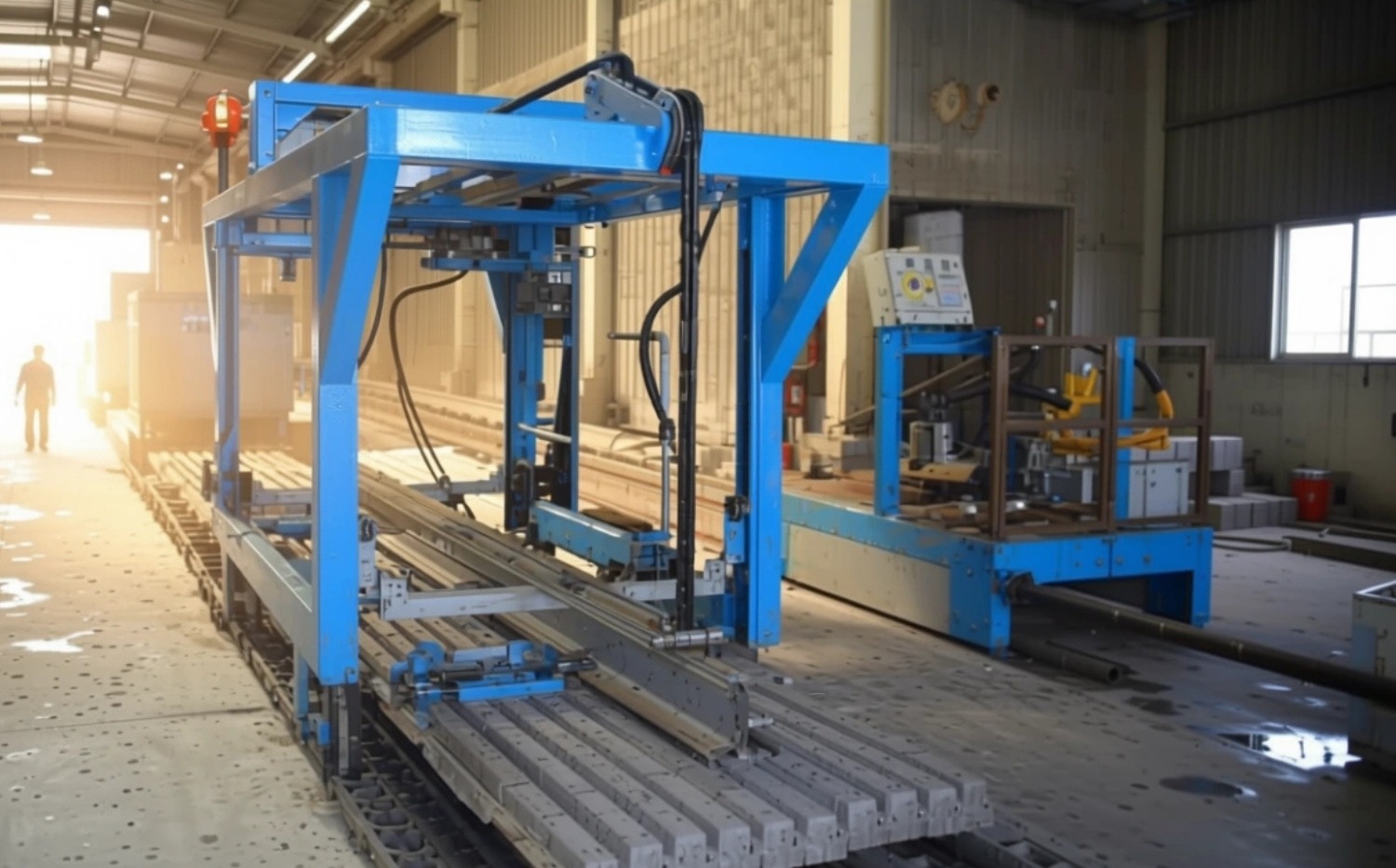
Steel structures form the backbone of safe and efficient plant layouts, supporting batching stations, conveyors, platforms and access systems.
Where it fits in the line
Across the entire production facility.
Problems it solves
- Unsafe equipment mounting
- Poor plant flow and access
- Limited expansion capability
Key selection considerations
- Structural load requirements
- Environmental exposure and corrosion protection
- Future expansion allowances
Best suited for
- Medium to large production facilities
Brick Moulds
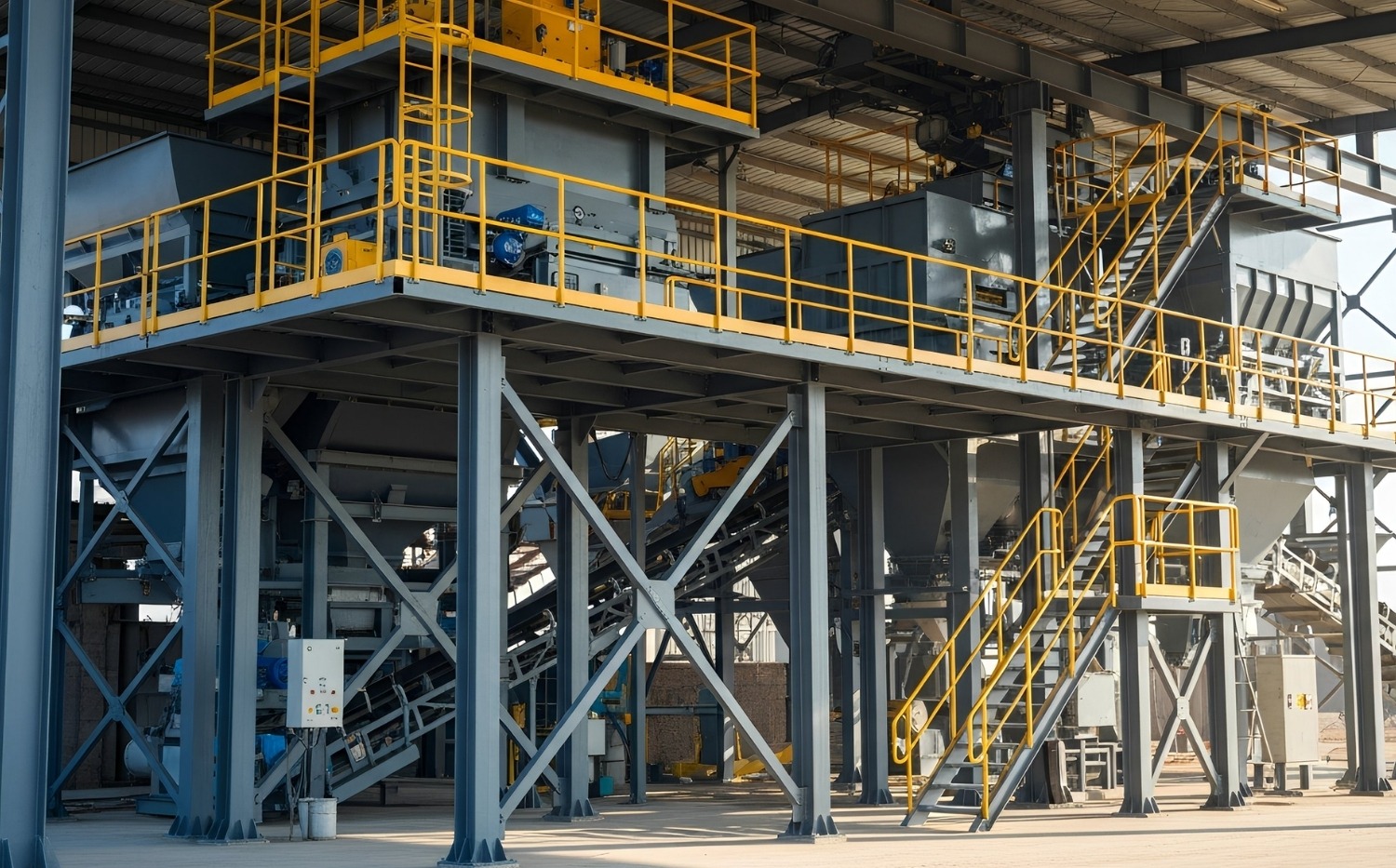
Mould quality directly influences block dimensions, surface finish and long-term operating cost.
What it is
Precision-engineered steel moulds designed for repeated high-pressure compaction.
Where it fits
Installed directly on concrete block machines.
Problems it solves
-
Rapid mould wear
-
Dimensional inconsistencies
-
High reject rates
Key selection considerations
-
Steel quality and heat treatment
-
Product dimensions and profiles
-
Ease of changeover
Best suited for
-
Manufacturers prioritising consistency and mould longevity

Core Craftsmanship Formula
The Core Craftsmanship Formula represents the engineering philosophy behind the accessories supplied through PJR Engineering. It combines:
-
Application-specific design
-
Controlled manufacturing processes
-
Practical operational logic
This approach ensures that accessories are not only compatible with production machines, but optimised for real-world operating environments.
How PJR Engineering Supports Your Operation
PJR Engineering operates as a technical supply partner, not a catalogue reseller. Our role is to ensure that every accessory supplied contributes meaningfully to production stability, product quality and long-term operational efficiency.
Our support begins before equipment selection and continues throughout the lifecycle of your production operation.
Our support approach includes:
-
Pre-sales technical consultation
-
Accessory-to-machine matching
-
Production line integration guidance
-
Operational longevity mindset
-
Spares access and maintenance guidance
-
South Africa–based support with pan-African reach
This structured, consultative approach ensures that accessories are not treated as optional add-ons, but as essential components of a reliable, scalable and commercially viable production operation.
Frequently Asked Questions
How do I choose the correct batching capacity for my plant?
Batching capacity should be aligned with your target daily output, block machine cycle time, number of shifts and mix design. Oversizing increases capital cost without benefit, while undersizing creates production bottlenecks.
PJR Engineering assists clients with capacity matching during the specification stage to ensure balanced production flow.
What is the difference between basic batching equipment and a batching station?
Basic batching equipment focuses on accurate material measurement, while a batching station provides a more structured system incorporating storage, weighing, feeding and control. Batching stations are typically used in higher-output or more automated plants where workflow efficiency and repeatability are critical.
Can accessories be integrated into an existing brick or block plant?
In many cases, yes. Accessories such as batching equipment, mixers, moulds and splitters can often be integrated into existing operations, subject to compatibility, layout and capacity assessment. A technical review is recommended to avoid mismatched output or inefficiencies.
How does mould quality affect block strength and consistency?
Mould quality directly impacts compaction efficiency, dimensional accuracy and surface finish. Poor-quality or worn moulds lead to inconsistent block sizes, higher reject rates and reduced strength. Correctly engineered steel moulds improve repeatability and extend service life.
Do accessories influence production downtime?
Yes. Incorrectly specified or poorly integrated accessories are a common cause of downtime. Issues such as batching delays, mixer wear or mould changeover inefficiencies can significantly reduce output. Selecting accessories as part of a complete system helps minimise these risks.
What information is required to receive an accurate quotation?
To provide a meaningful quotation, PJR Engineering typically requires the plant location (country), target daily output, product range (blocks, pavers, pipes), available footprint, power supply details and preferred automation level. This ensures that recommendations are technically appropriate.
Are spare parts available for accessories supplied?
Accessories supplied through PJR Engineering are supported with access to appropriate spares planning and maintenance guidance. This helps clients maintain uptime and avoid extended production interruptions over the life of the equipment.
Can accessories support future expansion or automation upgrades?
Many accessories are modular and can be scaled or adapted as production requirements grow. Early consideration of future expansion allows batching systems, mixers and structural components to be specified with long-term scalability in mind.
Is crushing and sand washing equipment necessary for all plants?
Not always. Its necessity depends on local aggregate quality. In regions where sand contains excessive fines or contaminants, crushing and washing equipment can significantly improve block strength and finish while reducing material variability.
Can accessories be integrated into an existing brick or block plant?
In many cases, yes. Accessories such as batching equipment, mixers, moulds and splitters can often be integrated into existing operations, subject to compatibility, layout and capacity assessment. A technical review is recommended to avoid mismatched output or inefficiencies.
Ready to Optimise Your Production Line?
Selecting the right accessories is essential to achieving reliable output, consistent quality and long-term operational efficiency.
Speak to PJR Engineering about configuring accessories that support your brick or block manufacturing goals across Africa.
Request a consultation and quotation by sharing:
-
Country and site location
-
Target daily output
-
Product range
-
Available footprint and power supply
-
Preferred automation level
Build consistency. Protect uptime. Scale with confidence.